Before moving to Germany, I thought Germany would feel like Germany.
That probably sounds absurd.
But I suspect many people arrive with the same assumption.
We spend months learning about “German culture.”
We watch videos about “how Germans think.”
We ask questions like:
Are Germans friendly?
Are Germans cold?
Are Germans conservative?
Are Germans progressive?
The questions seem reasonable.
The problem is that Germany rarely gives a single answer.
Because Germany is not one personality.
It is sixteen.
One of the biggest surprises about living in Germany is discovering how strongly regional identity survives.
In many countries, people introduce themselves through their nation first.
In Germany, it sometimes feels like the opposite.
People are German.
But they are also Bavarian.
Swabian.
Saxon.
Rhinelander.
Berliner.
And those identities often carry stories, stereotypes, loyalties, and habits that stretch back generations.
The longer you stay, the more you realize that Germany is less like a single family and more like sixteen siblings who grew up in different houses.
They share a surname.
They share a flag.
They occasionally argue at dinner.
But they are not the same people.
Take Bavaria.
For many foreigners, Bavaria is Germany.
The beer gardens.
The mountains.
The castles.
The lederhosen.
The Christmas markets.
The image was sold on postcards.
Yet Bavaria often feels like its own universe.
There is pride there.
Not always loud.
But unmistakable.
A sense that traditions matter.
Those things should be done properly.
That success is something to be built carefully and protected.
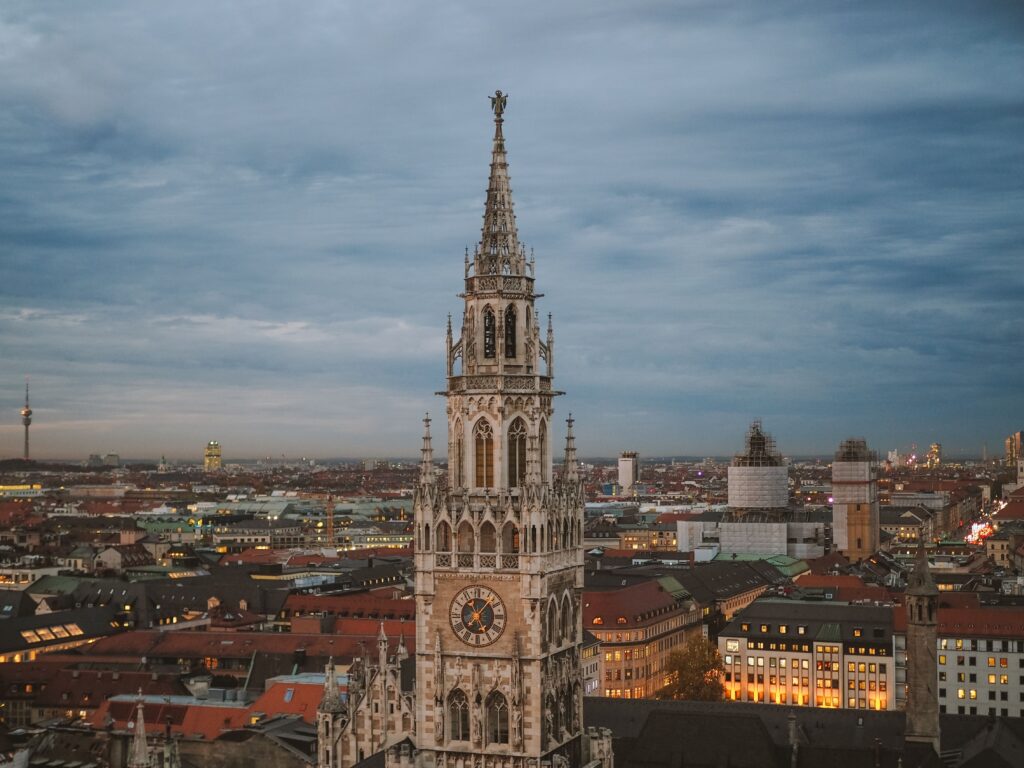
Munich, its capital, reflects this mentality perfectly.
Clean streets.
Well-maintained parks.
Strong industries.
High salaries.
High rents.
A city that somehow feels both international and deeply local at the same time.
People often joke that Bavaria is Germany’s successful older sibling.
The one with a stable career, a nice house, and strong opinions about how life should be lived.
Then there is Berlin.
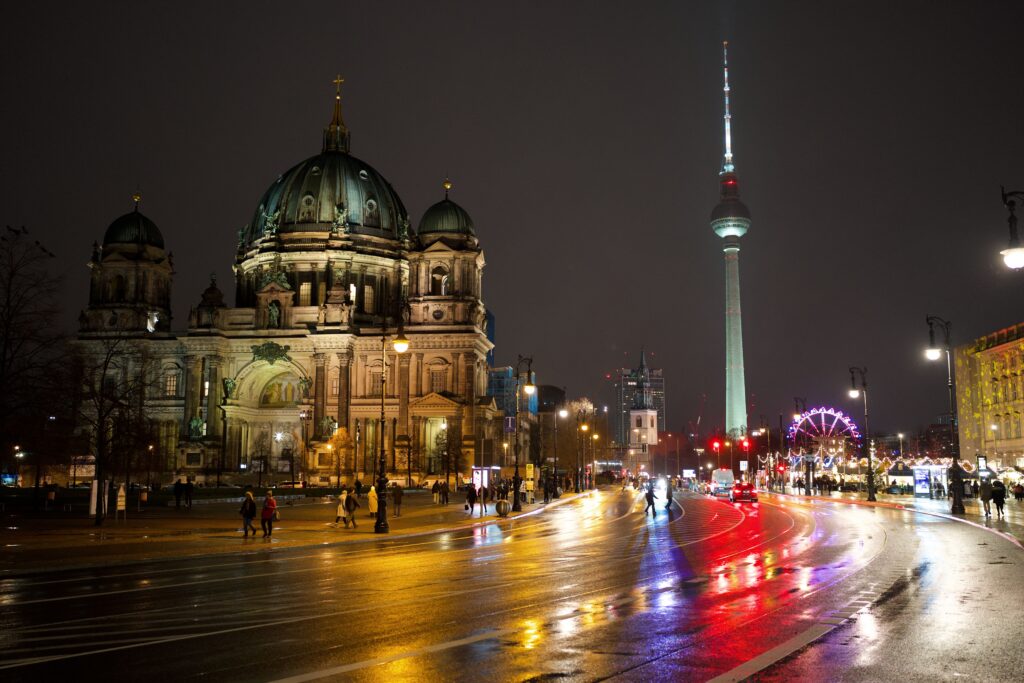
Berlin feels like the sibling who left home, changed their name twice, and came back with a completely different worldview.
The city exists in permanent contradiction.
It is chaotic and organized.
Exhausting and exciting.
Creative and bureaucratic.
It attracts artists, entrepreneurs, activists, dreamers, and people who are still trying to figure out who they are.
Berlin rarely asks you to fit in.
In fact, it almost expects you not to.
The city has built an identity around freedom.
Not comfort.
Not efficiency.
Freedom.
That is why some people fall in love with Berlin immediately.
And why others cannot wait to leave.
Travel north to Hamburg, and the atmosphere changes again.
Hamburg does not need your attention.
It already knows who it is.
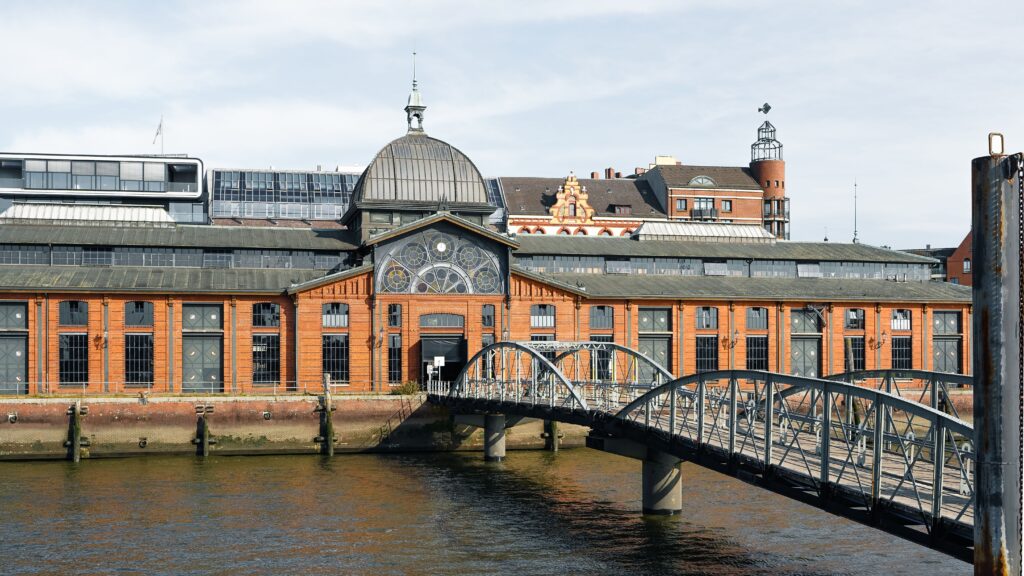
The city grew wealthy through trade and maritime history.
You can feel it.
Not through flashy displays of wealth.
But through quiet confidence.
The harbor.
The canals.
The old brick warehouses.
The feeling that the city has been connected to the wider world for centuries.
If Munich sometimes feels ambitious and Berlin feels restless, Hamburg feels mature.
Like someone who stopped trying to impress people years ago.
Then there is Cologne.
Or Köln, as everyone here insists on calling it.
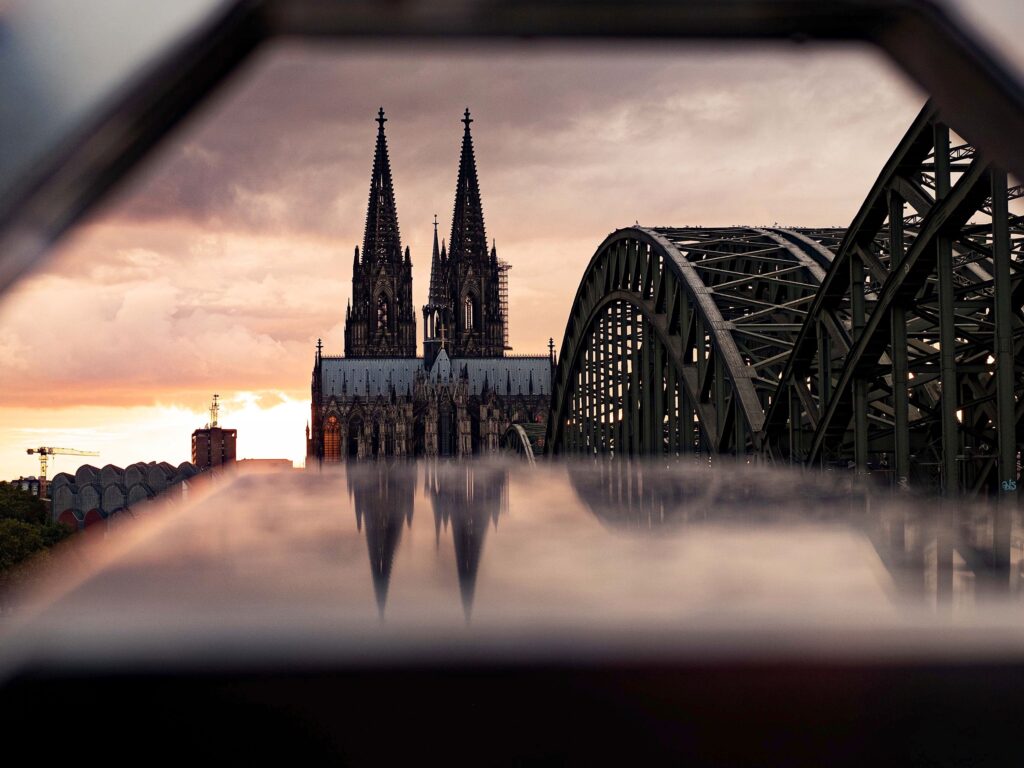
If Germany were a party, Cologne would probably be the first person to introduce itself.
The city has a reputation for openness that surprises many newcomers.
People talk.
People laugh.
People start conversations with strangers.
The famous Cologne Carnival turns entire streets into celebrations.
And even outside Carnival season, there is a warmth that many people associate more with southern Europe than with Germany.
Ask Germans about Cologne, and someone will inevitably mention its friendliness.
Ask Cologne residents, and they will probably tell you the rest of Germany takes itself too seriously.
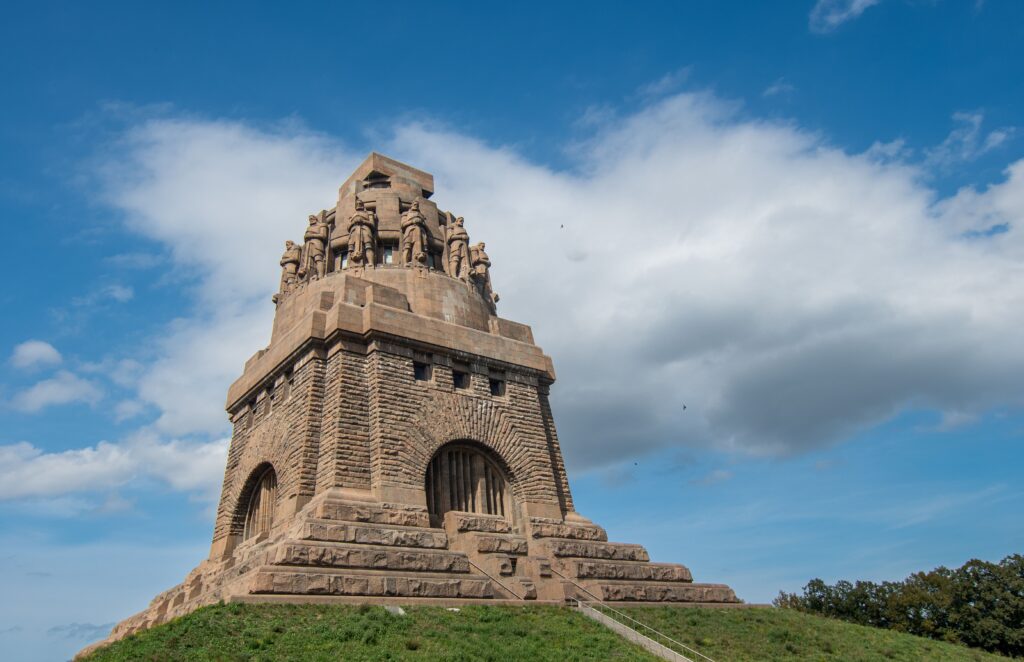
And then there is Leipzig.
The city that spent years being underestimated.
For decades, conversations about Germany often revolved around Munich, Berlin, Hamburg, and Cologne.
Leipzig remained slightly outside the spotlight.
Not anymore.
Today, Leipzig attracts students, artists, young professionals, and people searching for a version of Germany that feels more affordable and less established.
The city still carries traces of transformation.
Old industrial buildings are becoming creative spaces.
Neighborhoods are changing year by year.
A sense that the future is still being negotiated.
Leipzig feels like a possibility.
And perhaps that is why so many people are drawn to it.
Of course, these are stereotypes.
Reality is always more complicated.
Berlin has bankers.
Munich has artists.
Hamburg has rebels.
Leipzig has conservatives.
No city fits neatly into a single description.
But stereotypes survive for a reason.
They reveal how people imagine places.
And those imaginations shape real decisions.
People choose cities not only because of jobs or universities.
They choose them because of what those places seem to represent.
Freedom.
Security.
Creativity.
Community.
Opportunity.
This is where many newcomers make a mistake.
They say they want to move to Germany.
What they often mean is that they want a certain kind of life.
The problem is that different German cities offer different answers.
Someone searching for stability may feel lost in Berlin.
Someone searching for reinvention may feel trapped in Munich.
Someone searching for community may struggle in a city that values privacy.
Someone searching for excitement may discover they actually wanted peace.
Sometimes people believe Germany disappointed them.
But often they simply met the wrong version of Germany.
Perhaps that is why the question “What is Germany like?” feels impossible to answer.
Germany is a country where accents change dramatically within a few hours of travel.
Where regional rivalries remain surprisingly alive.
Where local traditions still matter.
Where history is layered unevenly across the landscape.
Where one city can feel almost Scandinavian, and another feels unmistakably Central European.
Germany is not one story.
There are many stories happening at the same time.
Sixteen personalities wearing one flag.
And maybe that is what makes the country so fascinating.
You can spend years living here and still discover a version of Germany you have never met before.
Leave a Reply