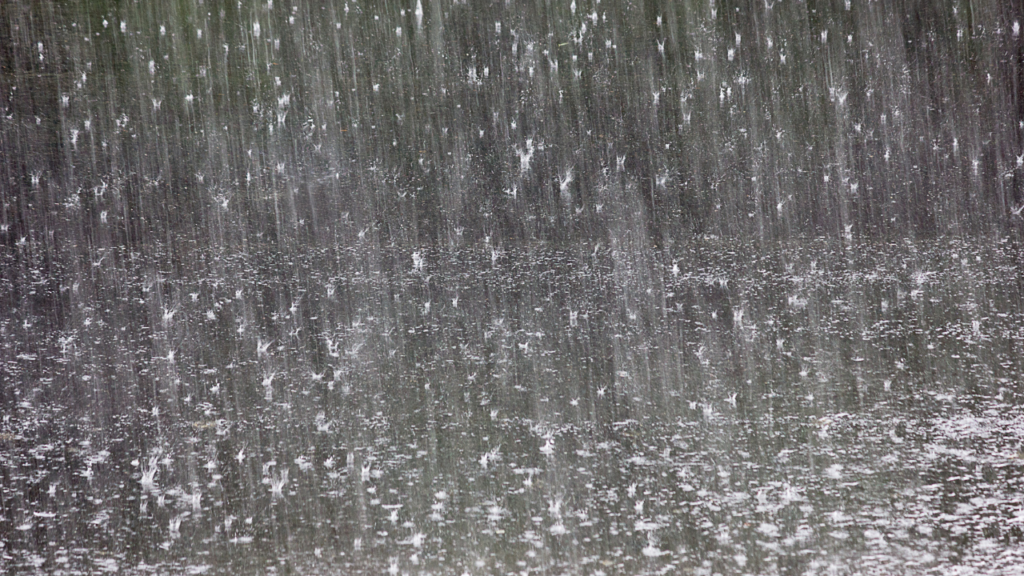
One of the most German sentences I have ever heard is surprisingly simple:
“There is no bad weather, only bad clothing.” – Es gibt kein schlechtes Wetter, es gibt nur falsche Kleidung
The first time I heard it, I assumed it was a joke.
Then I stayed in Germany long enough to realize people genuinely meant it.
Rain did not seem to cancel plans.
Cold temperatures did not automatically keep people indoors.
Grey skies did not stop hikers from hiking, cyclists from cycling, or parents from taking their children outside.
Life simply continued.
The solution was not to wait for better weather.
The solution was to wear a better jacket.
At first, I found this mindset slightly absurd.
Surely some weather is objectively bad.
Surely there must be a point where rain is just rain and wind is just wind.
Yet the phrase kept appearing.
Not always in words.
Often in behavior.
People walked through the drizzle without complaint.
Children played outside in conditions that seemed questionable.
Hiking trails remained busy despite clouds hanging over the mountains.
Lakeside paths remained occupied long after I would have considered staying home.
And gradually, I began to understand that the sentence was never really about weather.
It was about responsibility.
The phrase assumes something interesting.
The problem is not the world.
The problem is your preparation for the world.
Rain is not an obstacle.
It is a condition.
Winter is not an inconvenience.
It is a season.
The question is not whether circumstances should adapt to you.
The question is whether you can adapt to circumstances.
That idea appears in many places throughout German life.
People plan ahead.
People carry umbrellas.
People bring extra layers.
People check forecasts.
The expectation is rarely that reality will become more convenient.
The expectation is that you will prepare for reality as it is.
The more I thought about it, the more I realized how unusual that perspective felt.
Many modern conversations revolve around optimization.
How can we eliminate discomfort?
How can we make things easier?
How can we avoid inconvenience altogether?
The German weather philosophy seems to ask a different question.
What if inconvenience is not always a problem?
What if some discomfort is simply part of participating in the world?
After all, some of my favorite memories in Germany happened under less-than-perfect skies.
Walking through a city after light rain.
Watching fog settle over a lake.
Standing on a mountain trail while clouds moved across the landscape.
None of these moments would have happened if I had waited for ideal conditions.
The weather was not perfect.
The experience was.
Perhaps that is why the phrase has survived for so long.
Not because Germans enjoy bad weather.
Nobody enjoys getting soaked unexpectedly.
But because the sentence contains a quiet reminder.
Life rarely arrives under perfect conditions.
The timing is wrong.
The weather is wrong.
The circumstances are wrong.
If we wait for everything to become ideal before we participate, we risk waiting forever.
What began as practical advice about jackets slowly began to sound like a philosophy.
There is no bad weather.
Only bad clothing.
Maybe the deeper message is this:
The world is not required to become comfortable before we decide to live in it.
Leave a Reply